Elections Today
- Pennsylvania


Recent Projections
| State | Candidate | Delegates |
|---|---|---|
 Donald Trump | ||
Pennsylvania | 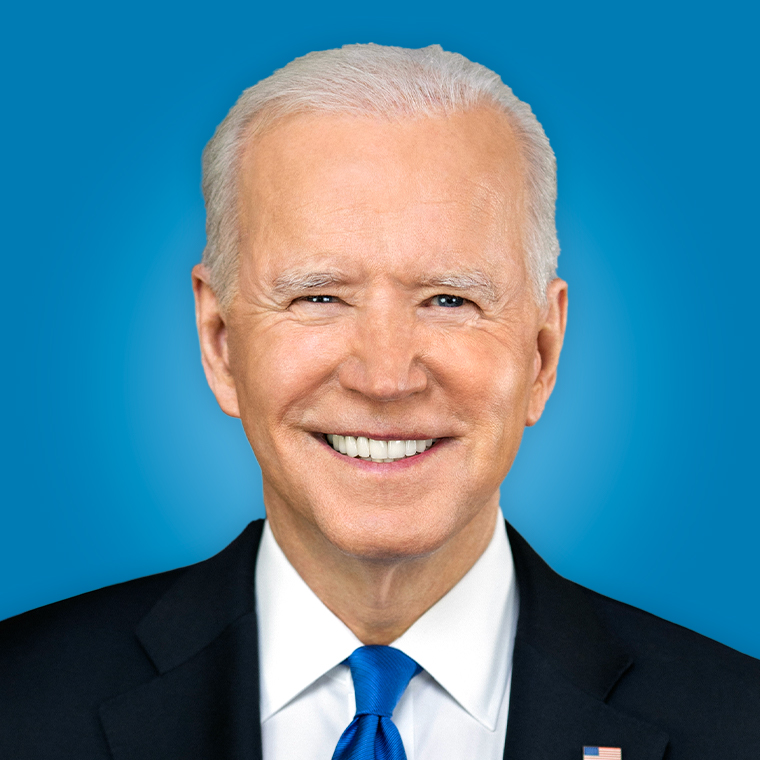 Joe Biden |
Drinking Your Way to Financial Success
Booze-fueled ideas tap into eager and growing market for some entrepreneurs.
Sept. 21, 2007 — -- It used to be that all one needed to play drinking games was some beer, cups and maybe a quarter or a deck of cards.
Not anymore.
A group of new entrepreneurs has decided to cash in on the thousands of college students who spend countless hours playing games with a very simple objective: drink as much as you can.
And then drink some more.
A number of retailers now market games and accessories aimed at making it easier or more fun to drink.
So in addition to the ubiquitous 12-pack, gaming drinkers can shell out a couple extra bucks for specialized dice, a deck of fancy "I Never" playing cards or the chance to spin a real roulette wheel that could result in drinking a shot.
There are even drinking-game pint glasses based on the adult-themed cartoon "Family Guy," featuring instructions to drink based on what happens on the show. For example, when the character Quagmire makes a sexual reference, every player must take three sips of their drink.
And the mother of all college drinking games, beer pong has spawned a virtual cottage industry of pong paraphernalia.
Most of these game manufacturers are small, privately held companies whose owners appear to make enough money to do this full time. They may not all be striking it rich, but they're making enough to buy a few rounds.
In fact, the owners typically came up with their ideas while drinking or trying to drink.
Take Bing Bong, a Philadelphia company that manufactures tables for friends to play beer pong.
Beer pong is a drinking game in which two teams on opposite sides of a table try to throw a ping pong ball into a triangle of cups placed in front of the other team. When the ball lands in a cup, the opposing team must drink the beer. The first team forced to drink all of its beer loses.
Tom Schmidt and his friend Matt Brady, both 30, started the company a little more than three years ago after they went to a birthday party at a small apartment. The Penn State University graduates wanted to play beer pong, but knew that a ping pong table — typically used for the game at college fraternities across the country — would never fit in the apartment.
"I said, 'We need a table that folds out,'" said Brady.
They came up with an idea for a long, narrow table that could fold up to the size of a large briefcase. It could fit in tight spaces and would be easy to carry but still long enough to play a proper game, whatever that was …
"It's a great social lubricant," Brady said.
Since then, they have sold more than 10,000 tables at $69 to $120 apiece, depending on the model — enough to make Bing Bong a full-time gig for both of them.
The tables, which the company says are great for playing beer pong — also called Beirut — at tailgate parties, can been customized with various bar or corporate logos.
Most of the tables are sold online, through novelty retailers such as Spencer Gifts, or at liquor stores, surf shops and bars, Schmidt said.
Bing Bong has also sponsored beer pong tournaments at bars that in turn sell the tables.

Top Stories




ABC News Live