Elections Today
- Pennsylvania


Recent Projections
| State | Candidate | Delegates |
|---|---|---|
 Donald Trump | ||
Pennsylvania | 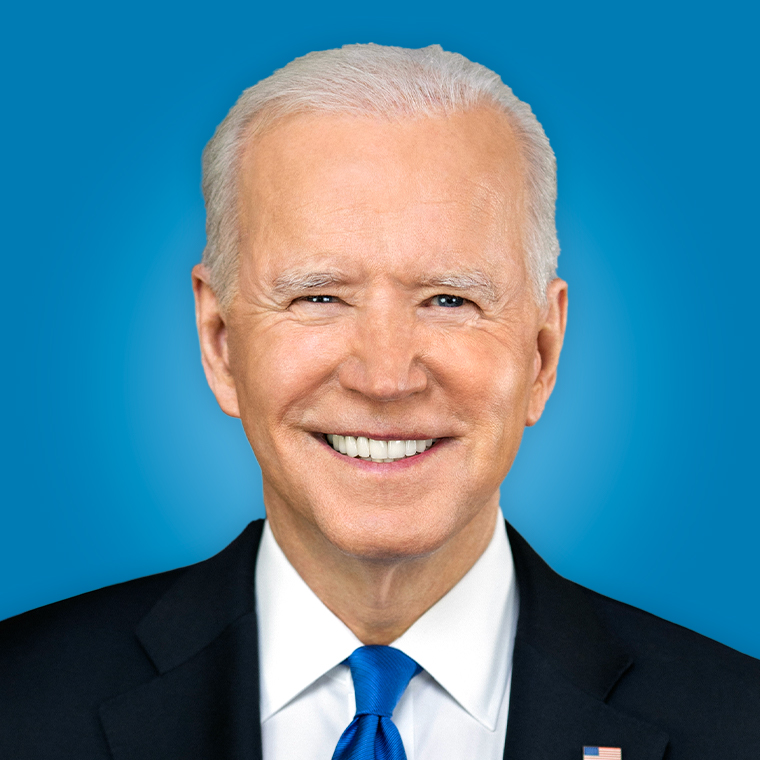 Joe Biden |
'This Week' Roundtable Transcript: Foreign Affairs
Robert Kagan, Richard Haass, and Anthony Shadid discuss the Arab Spring.
WASHINGTON, May 15, 2011 -- AMANPOUR: With Osama bin Laden dead and gone now, President Obama will reach out to the Muslim world in another speech on Thursday. He will address the democratic uprising sweeping the Middle East where a heady atmosphere is being tempered by violent oppression.
In Syria, security forces on Friday again fired on large demonstrations calling for an end of the regime of President Bashar al-Assad. The death toll is now well over a thousand, with thousands more under arrest.
Mass arrests also continue in Bahrain, a key American ally. And human rights groups urging the United States to break its silence on the brutal government crackdown.
And in Libya, civil war rages and Moammar Gadhafi continues to stay in power under that NATO no-fly zone.
And Egypt, which overthrew its president in February, is now at a fork in the road, facing change and reform for chaos and instability.
So, how will the president address all of this upheaval? With me now, Robert Kagan of the Brookings Institution, Richard Haass, president of the Council on Foreign Relations, and in Beirut, Lebanon, Anthony Shadid of The New York Times.
Thank you for being here.
Let's first actually get to Pakistan and what is a very tense time in this key relationship. Senator Kerry has gone over there, Richard. He's carrying apparently messages from the administration. What is the best he can do now?
RICHARD HAASS, COUNCIL ON FOREIGN RELATIONS: The best he can do is introduce a degree of partnership between United States and Pakistan. The problem is we're not partners. Pakistan provides sanctuary to the Afghan Taliban who are killing our Americans, they provide sanctuary to terrorists who are also killing Americans.
What we have to do is try to put this relationship on a more conditional footing, essentially say we'll give you economic aid if it promotes democracy. Any military aid will only be given if we know how it is used.
I'm not sure how this will work. Not every problem has a solution. And It may be the Pakistanis will reject it or they may once again agree and then they'll continue doing what they've always done.
AMANPOUR: And we've seen, Robert, so many stories now, reports of the sort of regular, specific warnings that the United States has given Pakistan with various high-level officials. Is there -- obviously the U.S. needs Pakistan, still, doesn't it? I mean, it's not like it's a relationship that can just be cast asunder?
ROBERT KAGAN, BROOKINGS INSTITUTE: Well, I think we should try to need it less. I think we should try to develop as many alternative routes for supplying our forces in Afghanistan as possible, that's the big dependency. And I think quite honestly if you want to get the Pakistani's attention, you have to deal with one issue that frightens them most which is India. I think if it became clear that the United States was really fed up with Pakistan and willing to tilt toward India in ways the Pakistanis would find troubling, for instance, talking to India about Afghanistan.
The Indian was love to be involved in Afghanistan. It's the Pakistanis greatest fear. I think you have to start talking about things the Pakistanis care about. They don't really care if we cut off their aid. They're a little bit willing to commit suicide in order to not do what we want them to do. I think we need some other leverage.
AMANPOUR: Do you think Hillary Clinton should go there?
HAASS: I would only go with a tough message that say, we will work

Top Stories




ABC News Live